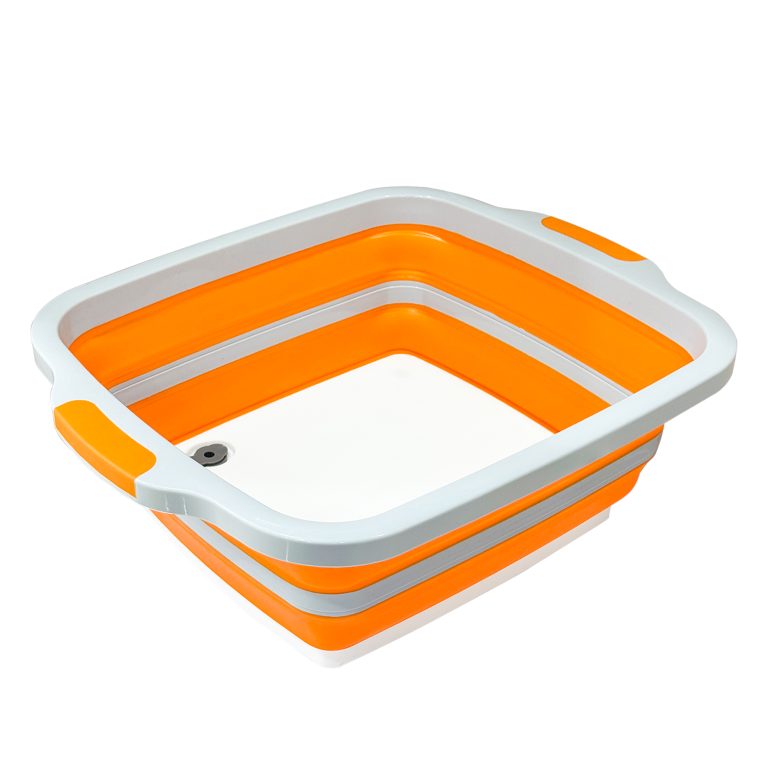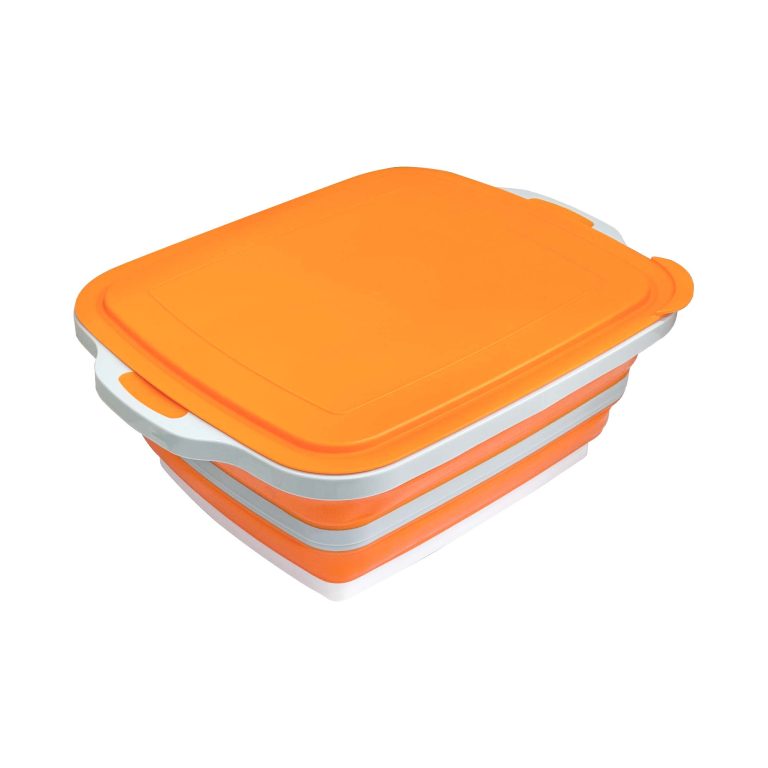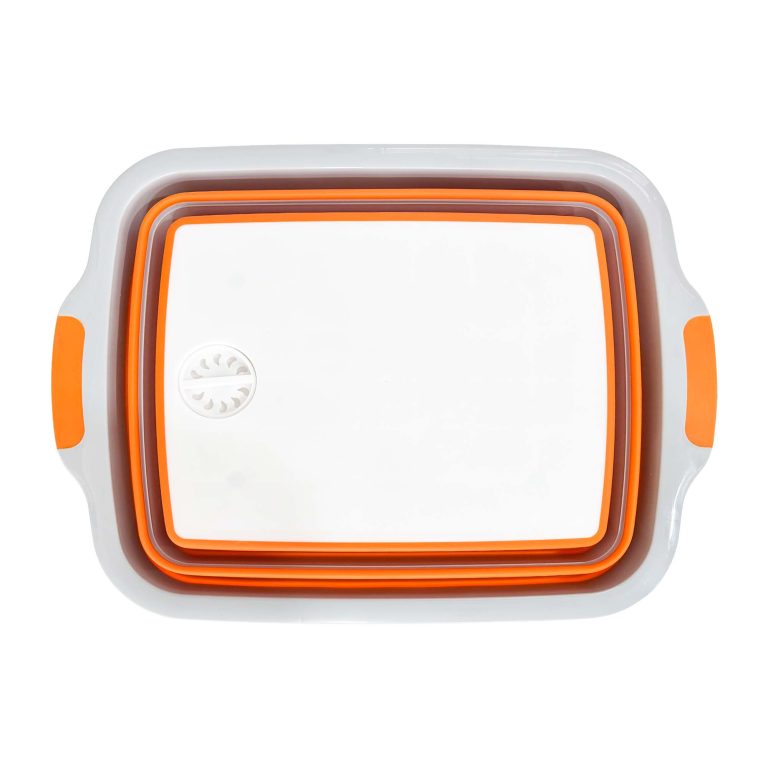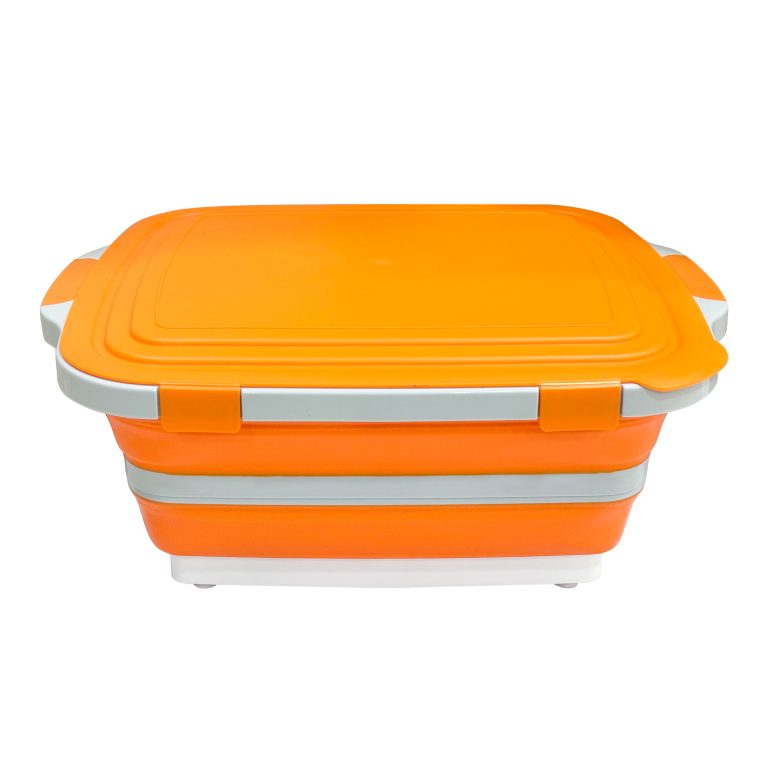
Choosing a supplier for collapsible basins is mostly a paperwork exercise. The product itself is simple: a rigid body, a folding wall, a drain plug and a lid. What separates one factory from another is whether it can repeat the same unit three thousand times without the fold stiffening or the plug starting to weep.
These are the eight checks worth running before a deposit, the three signals that should stop a negotiation, and the documents a serious factory sends without being asked twice.
Key takeaways
- Ask for certificate numbers and the scope of the report, not just a logo.
- Find out who owns the mould. It decides how easy reorders will be.
- A factory that cannot describe its own QC process is a trading office at best.
- Samples and production units should come off the same line and the same tooling.
Eight checks before you order
- Does the factory own its production? Ask how many injection machines they run and what tonnage. A factory running its own moulding will answer in seconds. A trader usually forwards the question.
- Which certifications are actually in place? Food-contact compliance matters more than brand names. Ask for the FDA or LFGB report number and check the report covers the exact material.
- Who made the mould? In-house tooling means faster changes and easier small runs. Bought-in tooling often means a minimum you cannot move.
- Is there a QC department with its own staff? Ask how many people inspect and at which stages: incoming material, in-line, final packing.
- Can they handle packaging? Retail boxes, barcodes, warning text and carton marks are where most shipments go wrong.
- How fast does a sample move? Stock-colour samples in three to five working days is normal. Six weeks usually means the mould is someone else's.
- What payment terms are offered? Thirty percent deposit and seventy percent against the bill of lading is standard. Anything requiring full payment upfront deserves a question.
- What happens when something is wrong? Ask what a claim looks like in practice: credit note, replacement in the next container, or a shared cost.
Three red flags
| Red flag | What it usually means |
| Quotes are vague about material grade | The unit may be filled with regrind, which shortens fold life |
| No live factory video, only stock photos | Production is subcontracted and not under their control |
| Sample and mass production differ in feel or weight | Tooling or material was swapped after approval |
The third one is the expensive one. It usually shows up six weeks after the container lands, when returns start.
What a supplier should send before the deposit
- A written specification sheet: capacity, open and folded dimensions, weight, material, carton size and quantity.
- Scans of the certificate and test report relevant to your market.
- Packing details, including net and gross weight and container loading.
- Approved pre-production samples, signed and dated by both sides.
- A production schedule with the inspection window.
None of this is unusual to ask for. It is also the fastest way to see how organised the other side is.
How to run a remote factory tour
A video call is enough if you know what to look at. Ask to see the moulding floor, the assembly and folding station, the drain plug fitting, and the packing area in one continuous shot without cuts. Then ask the camera to open a carton at random and show the label. A factory that can do this in one take runs a tidy floor.
Frequently Asked Questions
Can a Chinese factory accept a small first order?
Yes, on stock colours. Our standard minimum is 300 pcs per model, and a first order of that size is common. Custom colours and logos carry a higher minimum because they need a separate run.
How do I pay a deposit safely?
Pay the company account named on the invoice, never a personal one. Ask for the bank details on company letterhead and confirm them by a second channel before transferring.
Do I need a Chinese agent?
Not for a straightforward order. An agent earns their fee when you need multi-factory consolidation or on-site inspection and cannot travel.
How long does production take?
Stock colours usually run 20 to 25 days after sample approval. Custom colours add about a week for colour matching and batching.
Bottom line
Judge a supplier on what they can document, not on how well they present. Certificates with numbers, a mould they own, a QC team with names, and a sample that matches production: those four cover most of the risk in a first order.
You can see what we make on the product range page, read how the plant is set up on Factory Strength, or send your specification and we will come back with a quote and a packing sheet.