Pulling a pork shoulder with two forks takes twenty minutes and burns your hands twice. Meat claws — also sold as meat shredder claws — take about three, and the difference is not the number of tines but leverage and grip. They are the cheapest tool in a barbecue kit and the one people reach for most often once they own a pair.
Key takeaways
- Claws work like a rake, not like chopsticks: two hands, opposite directions, short strokes.
- Stainless tines are for hot meat straight off the grill; plastic ones are lighter and cheaper for cooler work.
- The handle matters more than the tine count. A wet, greasy hand loses grip on a smooth handle.
- Dishwasher safe in stainless and PP; wooden handles are wiped, not soaked.
What claws do that forks do not
A fork has one point of contact and no leverage. Claws have four to six tines set in a curve, so the same pull that slides over a fork bites into the meat and separates the fibres. You work with two hands in opposite directions, which is why a shoulder that takes twenty minutes with cutlery falls apart in three with claws.
There is a second benefit people notice only in use: your hands stay out of the heat. You can pull meat while it is still hot enough to handle, rather than waiting for it to cool to a temperature where it shreds badly.
Stainless or plastic
| Stainless | Food-grade plastic | |
| Heat | -20 to 180 °C (up to 200 °C on wooden-handle versions) | -20 to 220 °C |
| Weight and grip | Heavier, tines bite deeper | Light, less tiring over a long session |
| Surface | Scratches non-stick pans and enamel | Safe on coated cookware |
| Cleaning | Dishwasher safe | Dishwasher safe, food-grade PP |
| Best for | Whole shoulders, brisket, crackling | Poultry, pulled pork in a tray, everyday kitchens |
Our stainless version uses 304 tines on a TPR and ABS handle, and the beechwood set pairs the same tines with a natural handle and a gift box. The plastic claws are food-grade PP, BPA-free and 220 °C rated, which is hotter than most people expect from a polymer.
The handle is the part that fails
Almost every complaint about claws comes down to grip. A smooth handle is fine when your hands are dry and useless once they are covered in pork fat. Look for a handle with a textured or rubberised section, or wood with a shaped grip. Beechwood adds a second advantage: it stays cool to the touch, so the hand that is already warm from the meat stays comfortable.
Shape, size and tine count
| Type | Dimensions | Notes |
| 6-tine stainless claw | 23 cm overall | Long handle keeps the hand clear of a hot tray |
| Beechwood two-pack | 11 cm handle, 8.6 cm tines | Two hands from one box; the usual way to work |
| Plastic claw | 11 x 10.6 cm | Light, safe on coated trays, single or pair |
Buy claws in pairs even if you start with one. Shredding is a two-handed motion; a single claw turns into a fight with a hot joint. Six tines separate meat faster than four, but the difference is small next to having two of them.
Cleaning and storage
Stainless and PP claws go in the dishwasher. Wooden handles should be wiped and dried rather than soaked, and oiled occasionally like any other wooden kitchen handle. Do not use stainless tines on a non-stick tray or an enamelled dish — the scratches that follow are permanent, and they are the reason we offer a plastic claw in the same shape.
For shops, garden centres and brands
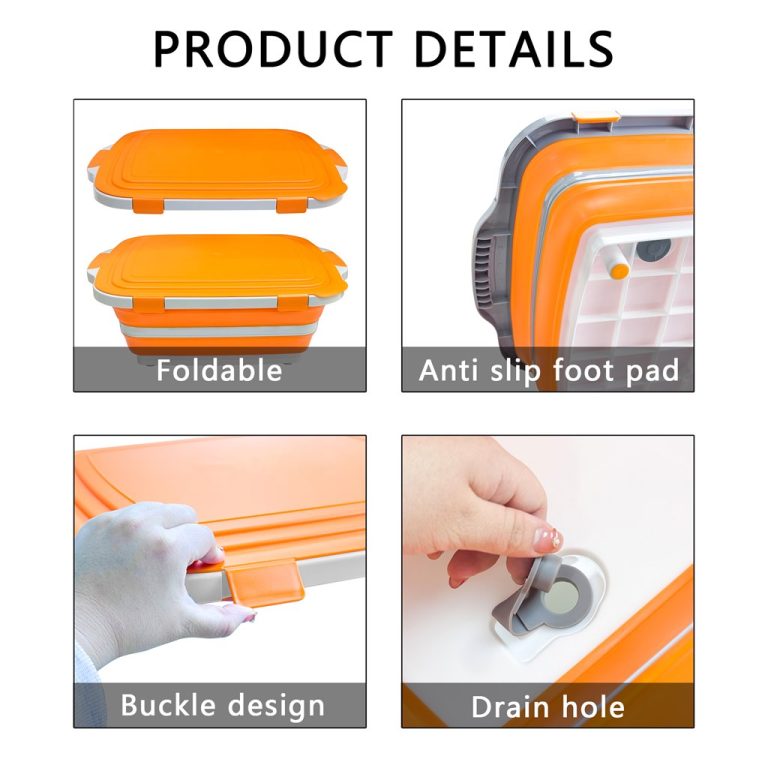
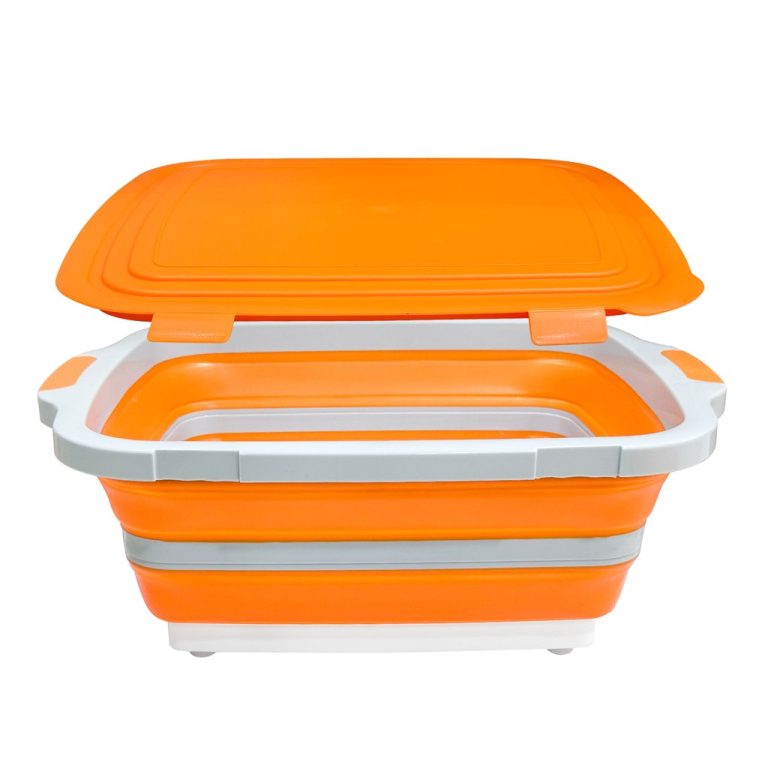
Nicebuy produces claws as standard production lines: MOQ 300 pieces per model, samples in 3 to 5 working days with the sample fee credited to the first production order, colour box or gift box with export carton as standard, and every model is made from food-contact grade materials. Handles, colours, logo printing and sets are customisable, and the claws are also packed with our 16 litre prep basin as a pulled-pork kit, which is the version most retail buyers take for the barbecue season.
Frequently Asked Questions
Do meat claws really work better than two forks?
Yes, and mostly for a mechanical reason. Forks slide; claws grip and pull. Two hands working in opposite directions separate a shoulder in about three minutes instead of twenty, and your hands stay away from the heat.
Are plastic meat claws strong enough for brisket?
Food-grade PP claws are rated to about 220 °C and handle brisket, pork and poultry without flexing. For crackling or a very heavy joint, stainless gives more bite and lasts longer under pressure.
Can meat claws go in the dishwasher?
Stainless and food-grade plastic ones can. Wooden handles should be washed by hand, dried immediately and oiled every few months, the same as a wooden cutting board.
Will stainless claws scratch my roasting tray?
They will mark non-stick and enamel surfaces. Shred in a stainless tray, use the plastic claws in coated ones, and keep stainless away from enamelled cast iron.
Bottom line
Claws are a two-handed tool, so buy a pair. The 6-tine stainless claw is the one for hot joints and crackling, the beechwood two-pack is the set to give or keep, and food-grade plastic claws are the safe choice on coated trays. If you want the tool and the tray in one box, the 16 litre prep basin with two claws covers the whole pulled-pork process. Injecting before cooking is the step that decides how the meat pulls — our comparison of injecting and brining covers that choice.