Pulled pork goes wrong in the last ten minutes, not the first eight hours. The shoulder comes out of the smoker perfect, then it is shredded while it is still fighting the fork, and the result is stringy meat with dry edges. The order is fixed: cook it until it gives up, rest it until it stops steaming, then pull it apart quickly with the right tool.
Key takeaways
- Shred at 90 to 95 °C internal, after a rest of at least 30 minutes. If the fork fights you, the meat is not ready.
- Two forks work, claws take a third of the time, and a stand mixer is fast but turns shoulder into paste if you blink.
- Shred in the tray with the juices, then add the liquid back. Dry pulled pork is almost always a liquid problem, not a meat problem.
- Pull into pieces the size of a thumb, not threads. Texture is what people notice.
When the pork is ready to shred
Shoulder is full of collagen, and collagen needs time and heat to turn into gelatin. That happens between 90 and 95 °C, which is well past the 71 °C that makes pork safe. If you pull it at 75 °C, it will be tough no matter how long you shred it.
Two tests tell you it is ready. The probe slides in with no resistance, like butter. And the bone — if there is one — twists easily in its socket. Take it off the heat at that point, wrap it and rest it for thirty minutes to an hour. Resting matters twice: it lets the juices settle back into the fibres and it cools the meat enough to handle.
Two forks, claws, or a mixer
| Method | Time for a 3 kg shoulder | Result | Watch out for |
| Two forks | 15 to 20 minutes | Control, coarse pieces | Hands in the heat, slower every time |
| Meat claws | 3 to 5 minutes | Coarse, even pieces | Nothing, if the handle grips when greasy |
| Stand mixer, paddle | 30 seconds | Very fine, uniform | Ten seconds too long and it becomes paste |
Forks are what everyone starts with and nobody keeps using. Claws work like a rake: four to six tines bite in, and two hands pulling in opposite directions separate the fibres instead of tearing them. A mixer is genuinely useful if you want a fine, sandwich-filling texture — but stand next to it and check every five seconds.
The claw method, step by step
- Move the meat to a tray with high sides. Shredding in the pan you cooked in is fine on a smoker, but on a grill a tray keeps the juices where you can use them.
- Start at the edge, not the middle. The outside is cooler and looser; working inwards means you never fight the whole piece at once.
- Pull, do not stab. Short strokes with both hands moving away from each other. Long strokes crush the meat against the tray.
- Check the size as you go. Stop when the pieces are about the size of your thumb; keep going and you get threads.
- Pour the juices back. Every few minutes, spoon some of the resting liquid over the pile and turn it through.
Keeping it juicy
Dry pulled pork is nearly always caused by one of three things: shredding too early, shredding without liquid, or holding it hot for hours after it is pulled. The fix for the first two is in this article; the third is practical — if the meat has to wait, keep it in a covered tray with a little liquid and reheat gently rather than holding it at temperature all afternoon.
A finishing sauce helps more than people expect. Cider vinegar, a little sugar, salt and the defatted pan juices, warmed and poured over, brings back the tang that a long cook flattens out.
What to check on a pair of claws
| Feature | Why it matters |
| Tine material | Stainless tines bite into a hot shoulder; plastic is kinder to coated trays |
| Handle grip | Greasy hands lose a smooth handle. Look for a textured or rubberised zone, or wood |
| Heat rating | Meat comes off the heat at 95 °C, so anything rated above 180 °C is comfortable |
| Dishwasher | Stainless and food-grade PP both are; wooden handles are wiped |
| Tine count | Six separates faster than four; two claws matter more than the count |
For shops, garden centres and brands
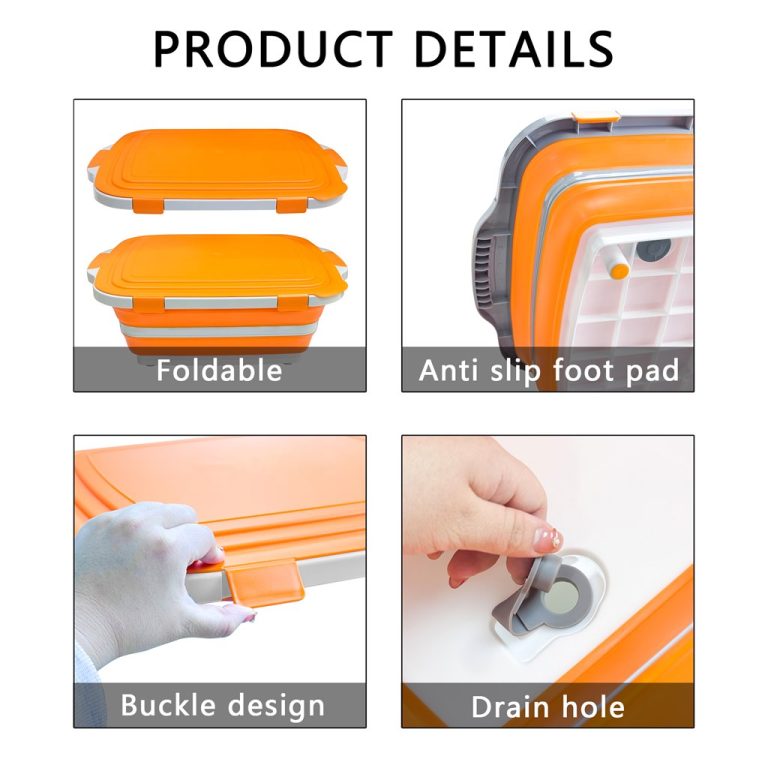
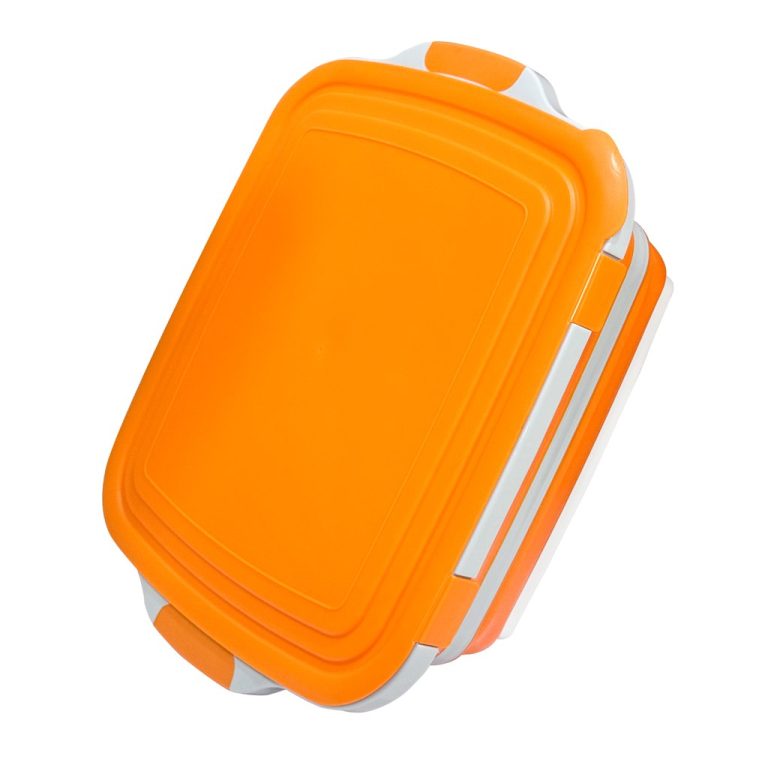
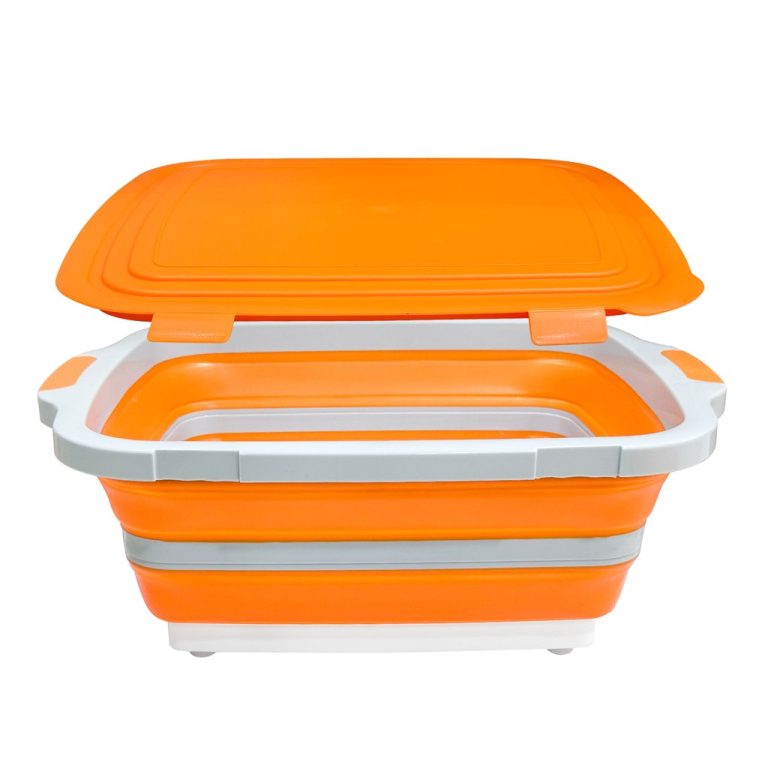
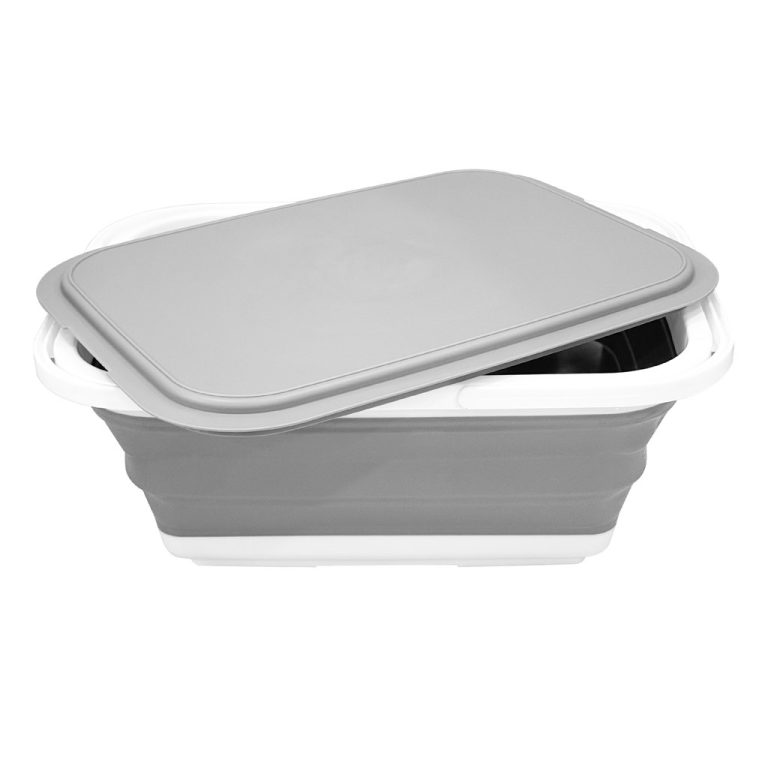
Nicebuy produces claws and pulled-pork sets as standard production lines: MOQ 300 pieces per model, samples in 3 to 5 working days with the sample fee credited to the first production order, colour box or gift box with export carton as standard, and every model is made from food-contact grade materials. Handle material, colours, logo printing and set composition are customisable, and the claws also ship with our 16 litre prep basin as a pulled-pork kit — the version retail buyers take most often for barbecue season.
Frequently Asked Questions
How long does it take to shred a pork shoulder?
Three to five minutes with claws, fifteen to twenty with two forks, and about half a minute in a stand mixer on the lowest speed. If it takes longer than that with claws, the meat went on the tray too early.
Can I shred pulled pork in a mixer?
Yes, with the paddle attachment on the lowest setting. Check it every five seconds: the difference between pulled pork and paste is about ten seconds.
Why is my pulled pork dry?
Almost always one of three things: it was pulled below 90 °C, it was shredded without its juices, or it was held hot for hours. Add warm defatted juices and a splash of vinegar back through the meat.
Do I really need claws, or will forks do?
Forks work. Claws are simply faster and keep your hands out of a hot tray, which is why most people who cook shoulder regularly end up with a pair.
Bottom line
Cook to 90 to 95 °C, rest for half an hour, then pull it apart in the tray with the juices. The 6-tine stainless claw is the fastest tool for a hot shoulder, the beechwood two-pack is the one to keep or give, and food-grade plastic claws are the safe choice on coated trays. If you want the tray and the tools in one box, the 16 litre prep basin with two claws covers the whole job. How the meat is treated before it cooks decides how it pulls — our comparison of injecting and brining covers that choice.