Meat claws look like a novelty until you have tried to pull a twelve-hour pork shoulder with two forks. Then they stop being a joke, and the differences between a good pair and a bad pair start to matter in the hand: one shreds a shoulder in ninety seconds, the other bends, slips and leaves the middle of the joint untouched.
Key takeaways
- Claws fail at the weld where the tine meets the body. One-piece cast or a full weld lasts; a spot weld on a stamped plate does not.
- Four to six tines is the useful range. Fewer than four and you are still tearing with two points; more than six and the food jams between them.
- The gap between tines decides the shred. Around 10 mm gives pulled pork; 5 mm mashes it and 20 mm leaves whole chunks.
- Handles matter more than the metal. A hard handle on a hot shoulder is the reason people go back to forks.
What meat claws actually do
There is no technique involved. You press down, rotate slightly and pull apart, and the shoulder comes apart along the grain. That is why the tool works: two forks only give you four contact points and you have to reposition constantly, while a claw gives you six to twelve points spread across the width of the joint.
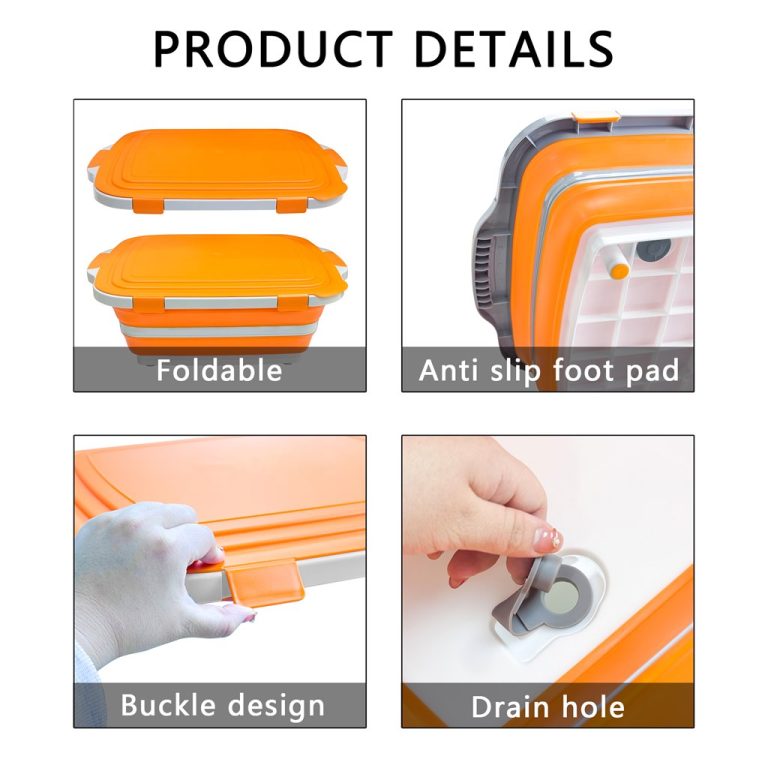
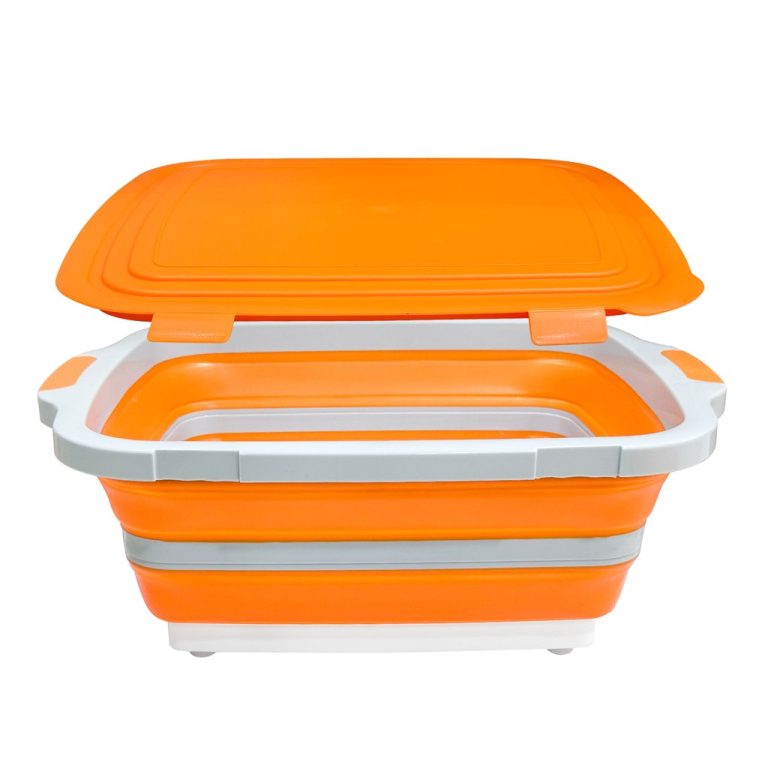
Claws are also the reason a shoulder can be pulled straight in the pan or basin it rested in, with no second surface and no juice on the table. That single detail is why restaurant kitchens keep a pair even when the home market thinks of them as a gadget. Our notes on shredding a rested pork shoulder cover the timing and the grain direction; what follows is about choosing the tool.
Stainless, plastic or wood handle
| Stainless body, stainless handle | Dishwasher safe, no smell, survives a commercial kitchen. Gets hot if left on the grill side of the table |
| Stainless body, wood handle | Cooler in the hand and looks better at the table. Hand wash, oil occasionally, never leave soaking |
| Plastic or nylon | Cheapest and lightest, kindest to non-stick. Will not survive a heavy shoulder repeatedly; the tines bend first |
The material question is really a cleaning question. If the claws are going into a commercial dishwasher every night, stainless with a stainless handle is the only sensible answer. For a home or a holiday home, a wood handle is more comfortable and will last years if it is dried properly rather than left in the sink.
Tine count, length and gap
Six tines at around 8 cm long with a 10 mm gap is the profile most kitchens settle on. It covers the width of a shoulder without needing two passes, and the gap is wide enough that fat and bark do not wedge between the tines.
Two things to check in the hand, and both are easier in a shop than online. The tips should be blunt enough that they do not puncture a silicone mat or your palm, but pointed enough to enter the crust. And the two claws should balance against each other: hold them with the tines facing, press and rotate, and a good pair turns through the meat without levering your wrists apart.
Cleaning, raw and cooked
The hygiene point is straightforward and often missed: claws that have touched raw meat should not go straight into cooked pork. Either use a second pair, or wash and dry the pair before it goes near the finished shoulder. On a grill day, a bowl of hot soapy water next to the resting board solves this in ten seconds.
Dried bark and fat lodge in the base of each tine, so a small bottle brush gets them cleaner than a sponge. Stainless claws can go in the dishwasher; wood handles should not, and a handle that has been left in water will crack along the grain within a season. Any model with a screw holding the handle on should be checked and tightened monthly, because a loose handle is how these tools die.
For shops, garden centres and brands
Nicebuy produces meat claws with stainless or beechwood handles, in two-piece and set configurations, as standard production lines with MOQ 300 pieces per model, samples in 3 to 5 working days and the sample fee credited against the first production order. Tine count and length, handle material, engraving, colour and colour box are all customisable, and every model is made from food-contact grade materials.
The two models ordered most often for a barbecue range are the six-tine stainless claw set and the two-pack with beechwood handles, usually as a bundle with a prep basin because the shoulder is pulled in the basin it rested in.
Frequently Asked Questions
Are meat claws better than two forks?
For a whole shoulder, yes, and by a wide margin. Two forks give four contact points and slip through bark; a six-tine claw spreads the load and shreds a shoulder in about a third of the time.
Can meat claws be used on other food?
They are also useful for lifting a whole chicken, turning a roast, shredding braised beef and handling a large joint that is too hot to hold. They are not a carving tool: for slicing you want a knife and a board.
Do meat claws scratch non-stick surfaces?
Stainless tips can. If you pull meat in a coated pan, use plastic claws or move the shoulder to a basin or board first, which is what most people do anyway.
How do I stop the tines bending?
Pull apart rather than downwards. Most bent claws come from pressing straight down onto a bone or a cold joint; rotate and pull, and even a lighter pair will hold its shape.
Bottom line
Judge meat claws on the weld, the tine gap and the handle, in that order. The six-tine stainless claw set is the dishwasher-safe pair for anyone working through shoulders regularly, the two-pack with beechwood handles is the comfortable one for home and table use, and the 16 litre prep basin that ships with claws is the version for pulling meat where it rested. If you brine or inject before smoking, the timing in our injector versus brining comparison sets up the same shoulder.