Keeping food warm is the part of barbecue nobody plans for. Barbecue is slow to cook and quick to cool. A pork shoulder that took twelve hours on the smoker comes back down through the safe range in under two, and the last twenty minutes before serving decide whether the food reaches the table hot or merely warm. The answer is not more heat. It is fewer paths for the heat to escape.
Key takeaways
- Heat leaves by three routes: contact with a cold surface, moving air, and evaporation from the surface of the meat. Blocking all three is what keeps food hot.
- Resting and holding are different jobs. Resting lets the juices settle for 20 to 60 minutes; holding keeps food out of the bacterial range for one to four hours.
- Foil is a contact barrier, not insulation. The towel over the foil, or a five-layer blanket, does most of the work.
- The container matters more than the wrap. A sealed tub holds heat roughly twice as long as a foil tray left standing on a table.
Keeping food warm: the three ways heat leaves
Contact is the fastest. Set a hot tray on a cold stainless table and the table pulls heat out of the food through the base. This is why a wire rack under a tray matters, and why a wooden board beats a metal bench. It is also why a tray that goes straight from the grill into a cold car loses more heat in ten minutes than it will in the next forty.
Moving air is the second. A brisket sitting uncovered in a room with a draught cools faster than the same brisket wrapped in a towel in still air, even though the room is not cold. Moving air strips away the warm layer sitting against the surface, and that layer is doing real work.
Evaporation is the one people miss. Every gram of water that leaves the surface takes heat with it. This is why a joint left uncovered dries and cools at the same time, and why a lid or a tight wrap solves both problems at once rather than only one.
A five-layer insulated blanket works on the same three ideas in reverse: an outer layer that resists air movement, foam or fibre in the middle that blocks conduction, and an inner surface that holds the moisture in. Our page on shredding a rested pork shoulder covers how long the rest should run before any of this begins.
Resting, holding and transporting are three different jobs
| Resting | 20 to 60 minutes on the board or in the pan. Juices redistribute, the grain firms up and slicing stops bleeding. Nothing is packed yet |
| Holding | One to four hours above the bacterial range. Needs a sealed container plus insulation, and a thermometer rather than a guess |
| Transporting | The container has to survive a car seat, a picnic table and a door. Structure and a lid matter as much as insulation here |
The common mistake is treating these as a single step. Food that rested correctly for forty minutes and then sat in an open tray for another hour is neither rested nor held; it has simply cooled twice. Decide which of the three you are doing, then pack for that one.
Packing for the trip
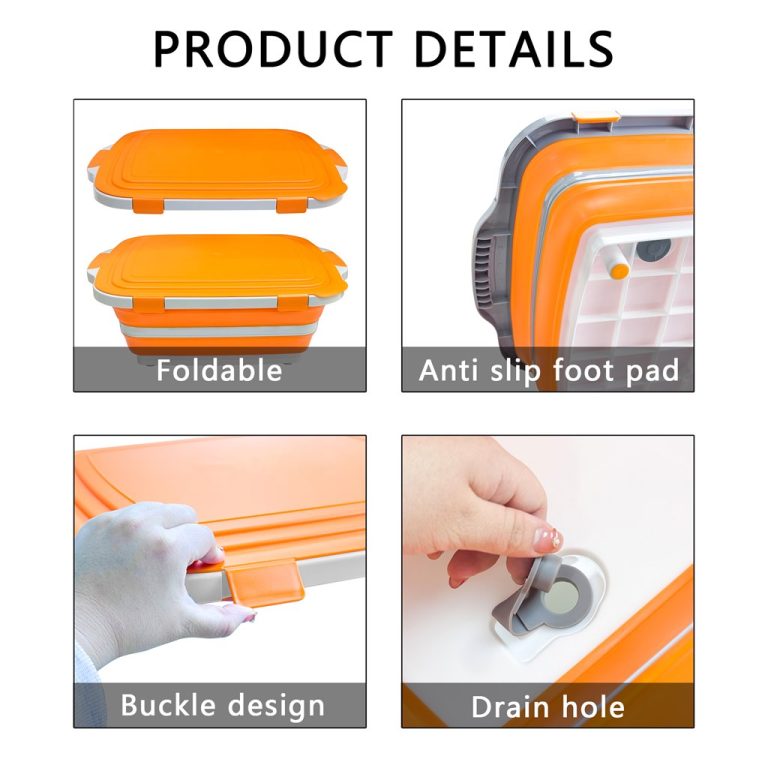
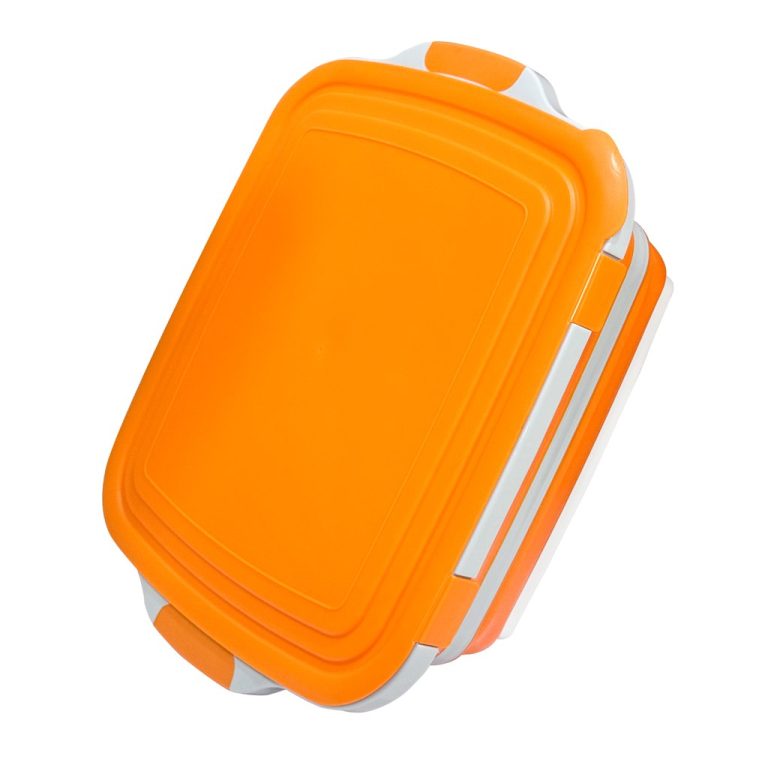
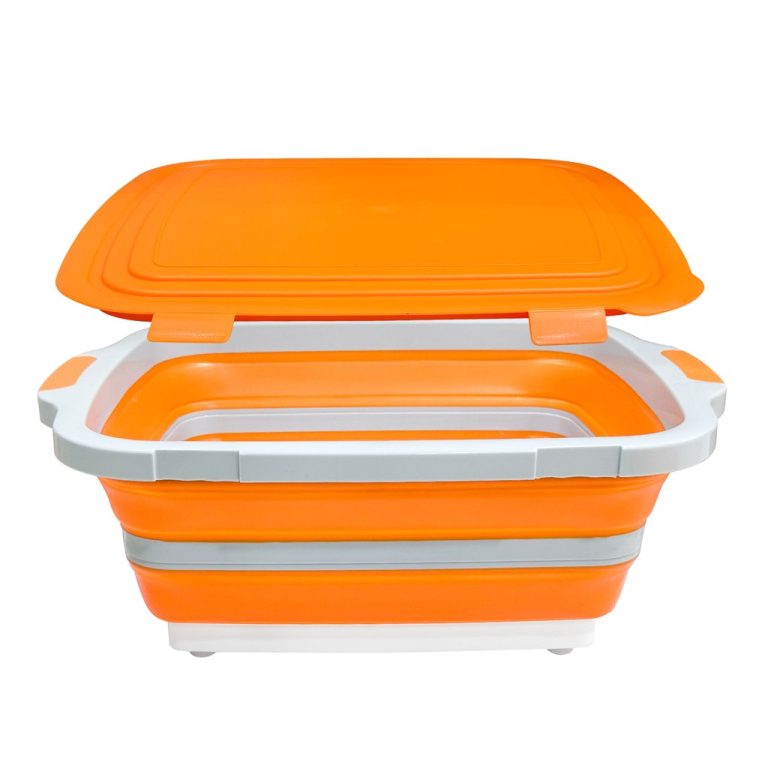
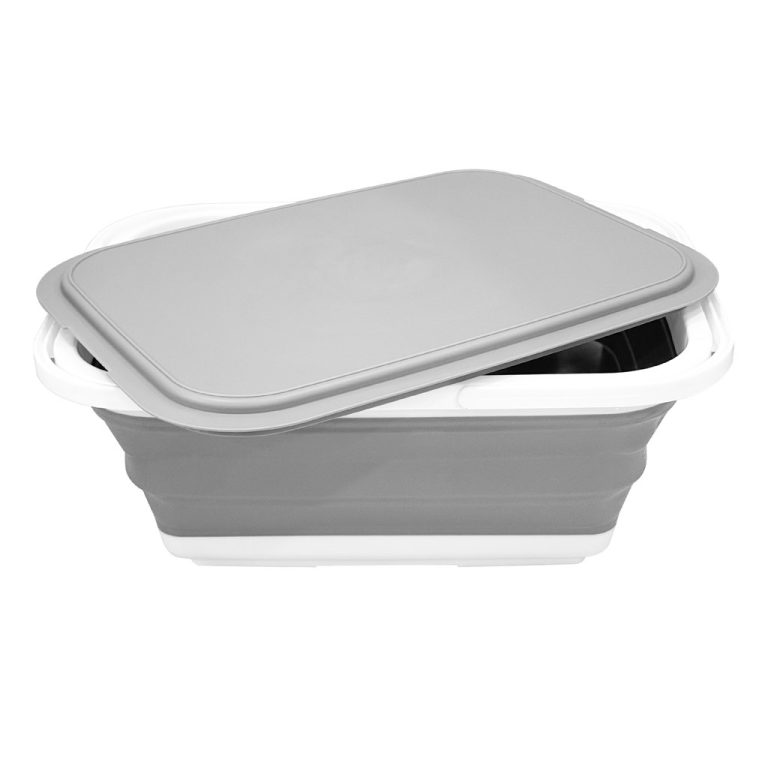
Start with the container. A prep set with an insulated bag exists for the case where the food, the basin it rested in and the tools all travel together. A loose tray plus a separate bag means three trips to the car and one spill. The basin should have a lid that locks rather than rests on top, because a locking lid keeps warm moist air in and, in the other direction, stops the sauce decorating the boot.
Then insulate. A five-layer insulated blanket folded over a covered tray beats three towels and a foil wrap, and it folds away to nothing when the season ends. If the food is going into a cool box, put the blanket inside the box rather than over it. The box resists air movement, the blanket resists conduction, and each covers what the other does not.
Finally, protect the surface. Trays with a high lip travel better than flat ones, which is one reason an enamelled tray ends up in the bag rather than a baking sheet. Anything sauced should be packed sauced side up and lashed down, because a tray that slides will empty itself at the first roundabout.
For shops, garden centres and brands
Nicebuy produces insulated resting blankets, lidded prep basins and insulated prep-and-carry sets as standard production lines, with MOQ 300 pieces per model, samples in 3 to 5 working days and the sample fee credited against the first production order. Blanket layer count and size, bag shape, lid type, drain hole, colour and colour box are all customisable, and every model is made from food-contact grade materials.
Two configurations sell best in a barbecue range: a lidded prep basin bundled with a five-layer blanket, and the 16 litre prep set with an insulated bag in black or the same set in orange. The two are usually listed next to each other so a customer can pick the table version or the travel version.
Frequently Asked Questions
How long can cooked barbecue stay warm safely?
Two hours is the figure to plan around for food left out at room temperature, and up to four hours if it stays above the bacterial range in a sealed insulated container. Past that it should be reheated or chilled, not held.
Does foil keep meat warm?
Foil stops evaporation and contact losses, and that is worth something. It has almost no insulation value on its own, so foil plus a towel or a blanket is the combination that works. Foil alone still cools quickly.
Should brisket rest wrapped or unwrapped?
Wrapped, if it is going to sit longer than twenty minutes, because an unwrapped brisket both cools and dries. Unwrap just before slicing if you want the bark to firm up again.
Is a cool box or an insulated bag better for transport?
A rigid cool box holds its shape and its heat better over a long drive. A soft insulated bag is easier to carry, packs flat and suits a twenty-minute trip. For most home cooks the bag is the one that actually gets used.
Bottom line
Keeping food warm is a decision, not a container: work out which of the three jobs you are doing, then block the three routes heat takes. Rest the meat covered, hold it in a sealed prep basin with an insulated bag when it has to travel, and fold a five-layer blanket over anything that waits on the table. Food that arrives warm is not a transport problem; it is a rest that ran too long in the open.