Gloves are the piece of barbecue kit people buy twice. The first pair looks good and turns out to be useless, because a big number printed on the cuff tells you less than you think. Finding the best BBQ gloves for high heat comes down to four things, and only one of them is the temperature rating.
Key takeaways
- A heat rating is a contact temperature and a time — not a promise that you can hold a hot grate.
- Smooth silicone grips nothing when it is greasy. Texture matters more than thickness.
- A cotton lining adds comfort and insulation but slows drying.
- Thick gloves protect; thin gloves let you work. Most cooks need one of each.
How to read a heat rating when choosing the best BBQ gloves for high heat
Every claim on the packaging refers to short contact, usually a few seconds. A glove rated to 250 °C will let you move a hot grate, not hold a cast-iron pan for a minute. Manufacturers rarely print the time alongside the temperature, which is where the disappointment comes from.
Two practical tests matter more than the number. Can you pick up a hot grate and set it down without flinching? And after twenty minutes of use, are the palms still comfortable? If the answer to either is no, the rating was marketing.
Grip: the part most people ignore
Silicone is a poor choice of material for grip if the surface is oily, and barbecue means oil. A smooth silicone palm slides on a greased tray. A textured or ribbed palm bites, and that difference is worth more than an extra millimetre of thickness.
If you are lifting a hot grill basket, look at how the glove closes around your hand too. A loose cuff means the glove rotates when you grip something heavy.
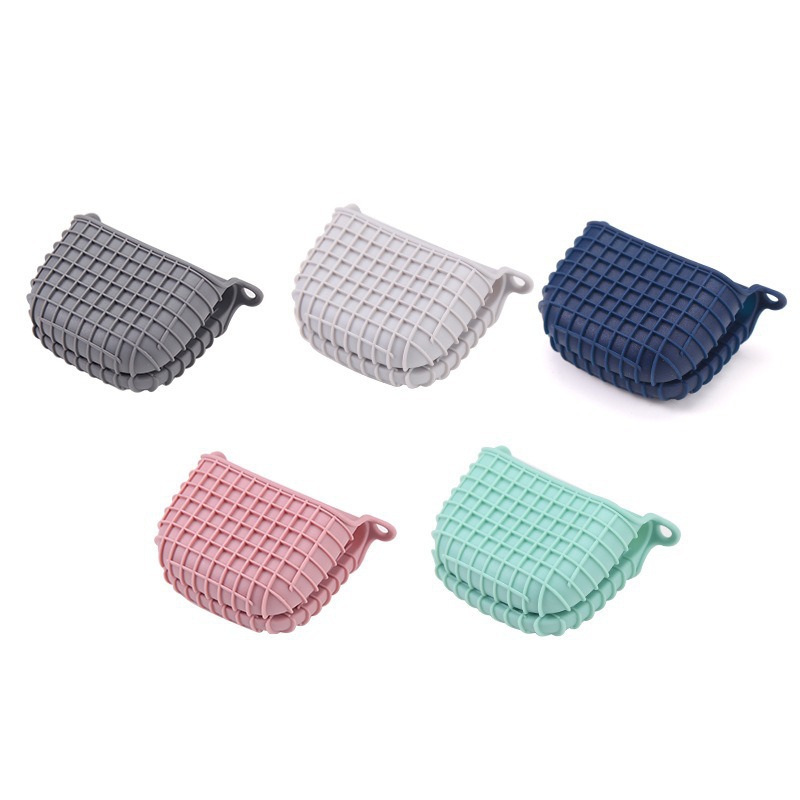
Lining: cotton, unlined or fleece
| Type | Good for | Trade-off |
| Unlined silicone | Quick work, easy washing | Less insulation, can feel damp |
| Cotton lined | Longer sessions, hot trays | Takes longer to dry |
| Fleece lined | Cold-weather grilling | Bulky, hardest to dry |
If your gloves live near the grill and get used twice a week, an unlined pair dries fastest. If you barbecue for a crowd once a month, the lining is worth the drying time.
Dexterity: why thickness has a cost
A very thick glove cannot pick up a single shrimp or undo a latch on a grill basket. That is not a fault, it is the trade-off. The useful question is what you actually do with your hands: moving grates and turning a whole chicken needs thickness; plating and flipping small pieces needs fingers.
How to choose
- Moving hot grates and baskets. Thick, cotton-lined, textured palm.
- Everyday flipping and turning. Thinner unlined pair, close fitting.
- Smoking and long cooks. Lined gloves plus a pair of thin liners underneath.
- Washing up after. Check whether the glove can be turned inside out; if not, it will smell.
Frequently Asked Questions
Are silicone BBQ gloves heat resistant enough?
Food-grade silicone handles around 230 °C in short contact, which covers most grilling. For reaching into a smoker or lifting a hot pan, a lined pair with a higher rating is safer.
Why do my gloves get hot inside?
Heat passes through any material given time. Gloves buy you seconds, not minutes. Work in short bursts and set the hot item down rather than holding it.
Can I put BBQ gloves in the dishwasher?
Unlined silicone gloves usually survive a top-rack cycle. Lined gloves absorb water and take days to dry, so wash those by hand.
How thick should BBQ gloves be?
Thick enough to move a grate comfortably, thin enough to still close your hand. If you cannot grip a pair of tongs while wearing them, they are too thick for cooking.
Bottom line
Ignore the biggest number on the box and check four things instead: contact time, palm texture, lining and whether you can still use your fingers. A glove that fails the last one will stay in the drawer.
Our heat-resistant gloves come as a two-pack, the anti-slip pair has a ribbed palm, and the cotton-lined version is the one for long cooks. See all of them on the BBQ gloves page.
The heat rating is only half the decision — choosing BBQ gloves by job covers pulling pork, moving hot grates and small hands. Silicone also absorbs odours when it is stored wet, which the guide on cleaning and storing BBQ tools deals with.