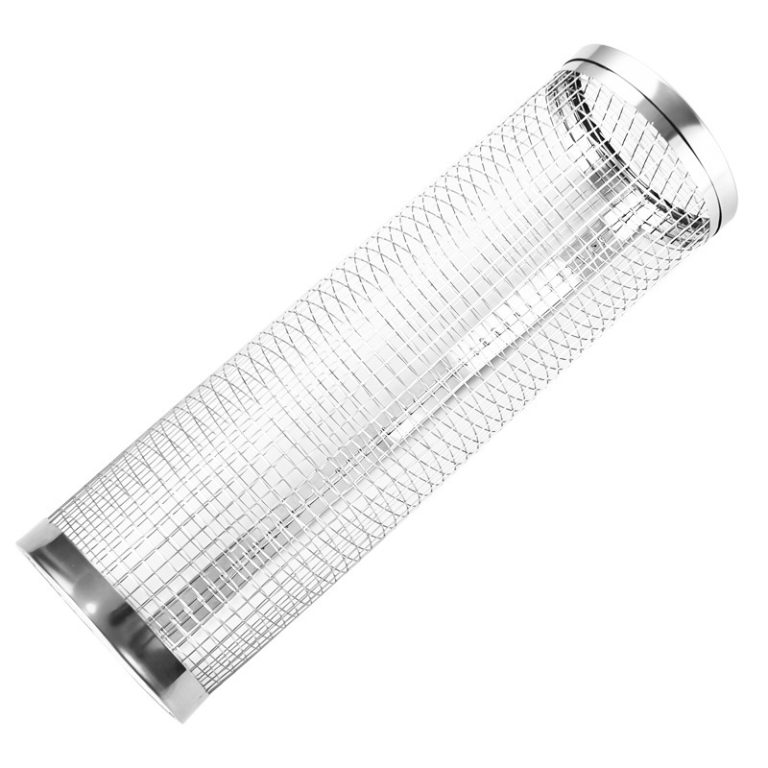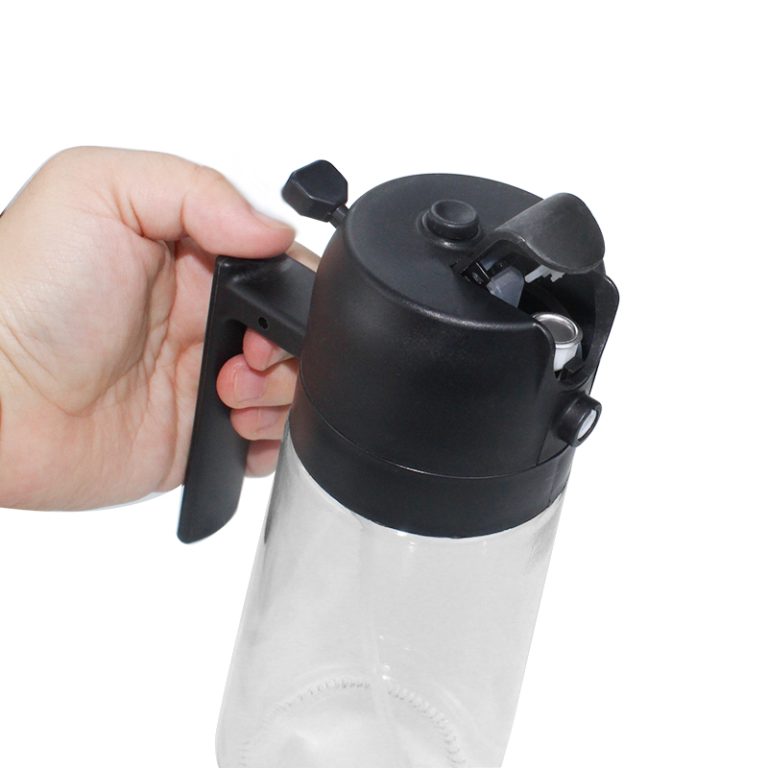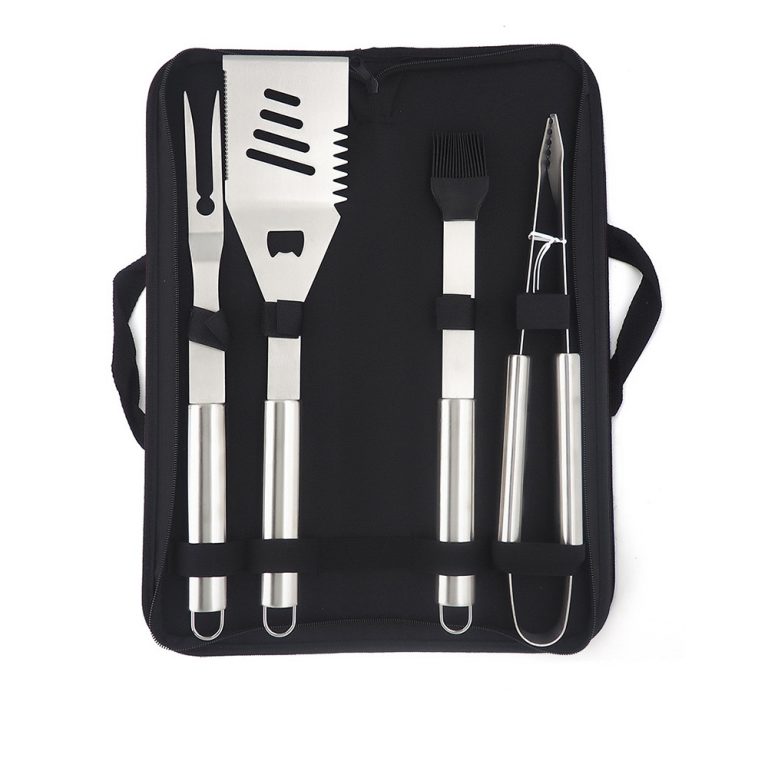
Wholesale BBQ accessories look like a simple category until you compare two quotes for the same "stainless tool set" and find a twenty percent gap. The difference is almost never the factory margin. It is the grade of steel, the thickness, the packaging, whether a barcode is printed on the box, and how the freight is calculated. This is the checklist worth running before you place a first order.
Key takeaways
- Compare landed cost per unit, not the ex-works price — freight and packaging reorder the ranking.
- Ask for a written spec sheet: alloy, thickness, dimensions, finish, handle material.
- Retail-ready packaging is a separate line item and it is where most hidden cost sits.
- Food-contact documentation should be confirmed before production, not requested after arrival.
Buying wholesale BBQ accessories: start with landed cost, not unit price
A quote of 1.80 per piece and a quote of 2.10 per piece can end up costing the same by the time they land in your warehouse. Work backwards from the shelf instead of forwards from the factory:
| Cost line | What it covers | Typical effect |
| Unit price | Goods at the factory gate | The number everyone compares first |
| Inner and outer packaging | Colour box, hang tag, barcode, master carton | Can add more than the gap between two quotes |
| Freight | Sea, rail or air, plus local delivery | Weight and carton volume decide this, not item count |
| Duty and tax | Import charges at destination | Depends on classification and origin |
| Inspection and testing | Pre-shipment check, food-contact tests | Small per order, large per mistake avoided |
Carton volume is the line buyers forget. A tool set that folds flat can nearly double the number of units per container compared with a rigid gift box, and that is often worth more than a few cents of unit price.
What belongs on the spec sheet
"Stainless steel" is not a specification. For a BBQ accessory order, the sheet should state at minimum:
- Alloy grade — 304, 430 or 201 behave very differently outdoors, and the difference shows up in six months by the sea.
- Material thickness in millimetres, not gauge, because gauge tables vary between suppliers.
- Dimensions with tolerance, especially on tongs and spatula heads where a small change alters the feel.
- Handle material and attachment method — riveted, screwed, welded or moulded.
- Surface finish: mirror, brushed, polished, powder coated, silicone sleeve.
- Heat rating for anything silicone, and whether the silicone is food-contact grade.
- Packaging details, including barcode format and whether the carton is printed.
If a supplier will not commit these to paper, ask for a sample first and inspect it against the same list.
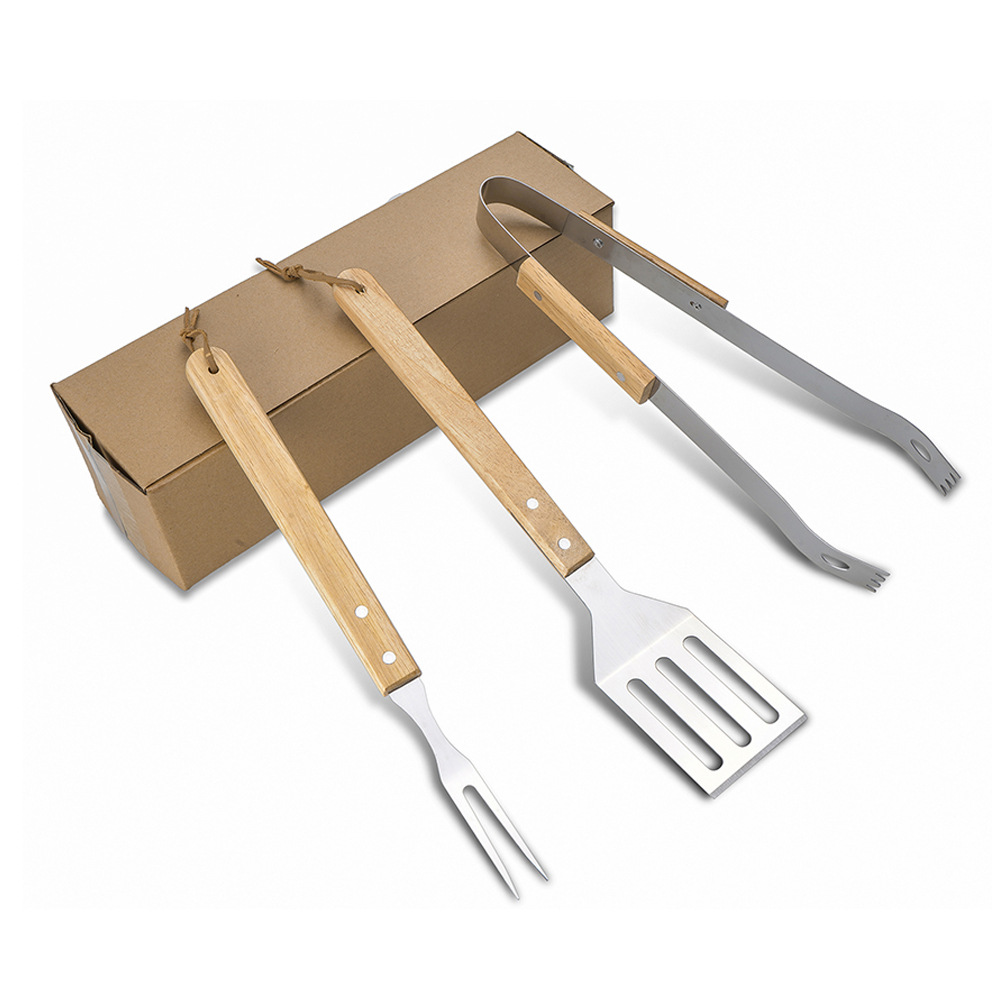
Packaging and retail readiness
Packaging decides whether the goods can go straight onto a shelf. Three questions separate a trade order from a retail one: does the box need a printed barcode and a country of origin, does it need a hang tag or a euro slot, and does the master carton need to be a specific size for a pallet or a store fixture.
Get the artwork rules in writing before production, not after. Once cartons are printed, changing the label means throwing them away. If you sell online, ask for the item dimensions and weight per unit as packed — that is what feeds your shipping calculations, and it is far more accurate when measured on the production line than at your desk.
Compliance and food-contact documentation
BBQ accessories touch food, so most destinations expect evidence. Depending on the market, that means a food-contact declaration, an FDA or LFGB style test report, or a migration test for silicone and coated parts. Ask which documents are available for the exact material and colour you are ordering, because certificates for a different alloy do not transfer.
Two practical points save trouble later. First, confirm the paperwork before production; retroactive testing costs far more. Second, keep the material declaration on file against the order number, so that a duplicate order placed a year later can be compared against the original specification rather than against a memory.
Samples, lead time and repeat orders
Always order a sample of the production version, not a hand-made prototype. The two often differ in weight and finish. When the sample arrives, check it against the spec sheet line by line, then write down what you approved and keep it.
| Stage | What to agree | Why it matters |
| Sample | Production spec, packaging, artwork | Becomes the reference for every later order |
| Production | Lead time in working days, not weeks | Removes ambiguity around holidays |
| Pre-shipment | Who inspects, against which list | Cheaper to fix before the container sails |
| Repeat order | Colour, alloy and carton held stable | Prevents a slow drift in specification |
The last row is the one that catches experienced buyers. A supplier that changes a handle colour supplier or swaps 304 for 430 because of a raw-material shortage will not usually advertise it. A written approved sample is what allows you to compare.
Frequently Asked Questions
What is a normal minimum order for BBQ accessories?
It varies with the item and the packaging. Simple items in bulk packing usually start lower than sets that need printed colour boxes, because the packaging has its own setup. Ask for the MOQ at the packaging level you actually need.
Is 304 stainless worth the extra cost?
For tools that stay outdoors or near salt water, yes. 304 resists corrosion noticeably better than 430 or 201. For a low-cost indoor set that never sees weather, a lower grade can be a legitimate choice.
Do I need different certificates for each market?
Often yes. FDA-style documentation suits the United States, LFGB is common for Germany, and other markets have their own expectations. Confirm the destination before testing so the report covers the right standard.
How do I compare two suppliers fairly?
Ask both for the same six things: spec sheet, landed cost at the same Incoterm, carton dimensions and weight, packaging artwork, lead time in working days, and the food-contact documents they can supply.
Bottom line
Compare landed cost, insist on a written specification, settle packaging before production and confirm the paperwork early. Those four habits remove almost every surprise that shows up on a wholesale BBQ accessory order, and they turn a price comparison into a real supply decision.
Our barbecue tool sets, tongs, grill pans and trays and grill baskets are all available for wholesale and private label programmes. Send your target market and packaging requirement through the contact page and we will confirm what is possible for your order.
Two guides go with this one: what to verify when you shortlist a silicone kitchenware manufacturer, and how to specify the metal parts, starting with stainless steel or silicone tongs.