Oiling a grill with the wrong tool causes two problems: flare-ups from too much oil, and a sticky layer that bakes onto the grate. A sprayer puts down a thin, even film with very little oil. A brush moves volume and carries marinades that a nozzle cannot. Most kitchens need both, but for different jobs.
Key takeaways
- A sprayer oils a grate, a pan or a basket evenly and uses only a fraction of the oil a brush carries.
- Brushes are for sauces and marinades that contain solids — garlic, herbs, sugar, mustard.
- Pump sprayers clog on thick oils; keep them for thin oils and rinse the nozzle after use.
- Bristle brushes shed and burn. Silicone heads are the safer choice at grill temperature.
What each tool actually does
| Job | Oil sprayer | Basting brush |
| Oiling a grate, pan or basket | Thin, even film | Uneven unless worked quickly |
| Marinades, glazes, sauces | Blocks on solids | Built for this |
| Oil used | A fraction of a brush | Holds a lot of liquid |
| Heat limit | Glass bodies rated to about 120 °C | Silicone heads rated to 230 °C |
| Cleaning | Rinse the nozzle, some come with a cleaning brush | Dishwasher safe when silicone |
Where a sprayer wins
Even coverage is the whole point. On a gas grate, a folding basket or a sheet of vegetables, a spray reaches the corners a brush skips, and it does it without leaving pools that catch fire. Because so little oil is used, a sprayer also suits anyone cooking with a specific oil budget — air fryer baskets, baking trays, cold pans before they go on the heat.
The other advantage shows up in the bottle itself. A 200 ml glass mist pump with a wide mouth refills without a funnel, and a seal that holds upside down means it can sit in a drawer without marking the shelf.
Where a brush wins
Anything thicker than oil needs bristles. Barbecue sauce, a glaze with honey, a marinade with chopped garlic or herbs: a sprayer blocks within one or two pumps, and forcing it risks splitting the seal. A brush picks that mixture up, spreads it on a rack of ribs or a whole fish, and can be loaded again mid-cook without touching the food.
Brushes also reach places a spray misses — under a fillet, along the inside of a pan, over the skin of a chicken where you want a visible layer rather than a film.
On trays and pans the same rule applies: a glaze goes on with a brush, while the tray itself can be sprayed in a few seconds. If your range includes enamel trays and pans, that is the fastest way to keep them non-stick without flooding them.
The failure modes nobody mentions
Thick oil clogs the pump. Olive oil that has been in a cold cupboard thickens, and the mist pump then sprays a stream or nothing at all. Warm the bottle in your hand first, and keep a cleaning brush for the nozzle.
Spraying near an open flame. A fine oil mist is flammable. Spray the food or the cold part of the grate, never across a live fire, and never directly at a lit burner.
Bristle brushes melt and shed. Natural bristles are for pastry and cold basting. On a grill they scorch, and a loose bristle in the food is a real hazard — the same reason wire grill brushes are now avoided. Silicone heads rated to 230 °C do not have that problem.
Glass left in the wrong place. A borosilicate body survives hot oil and cold water, but not a freezer, and not the back window of a car in summer.
What to check before buying
| Item | Specification |
| 200 ml mist pump sprayer | Borosilicate glass + food-grade PP + silicone seal, 17 × 6 cm, −20 °C to 120 °C, FDA food-contact, BPA-free, cleaning brush included |
| 2-in-1 sprayer and dispenser | Gravity lid that switches between mist and pour, food-grade materials, BPA-free |
| 500 ml spray and pour bottle | Measuring cup lid for dressing and marinade work, food-grade glass |
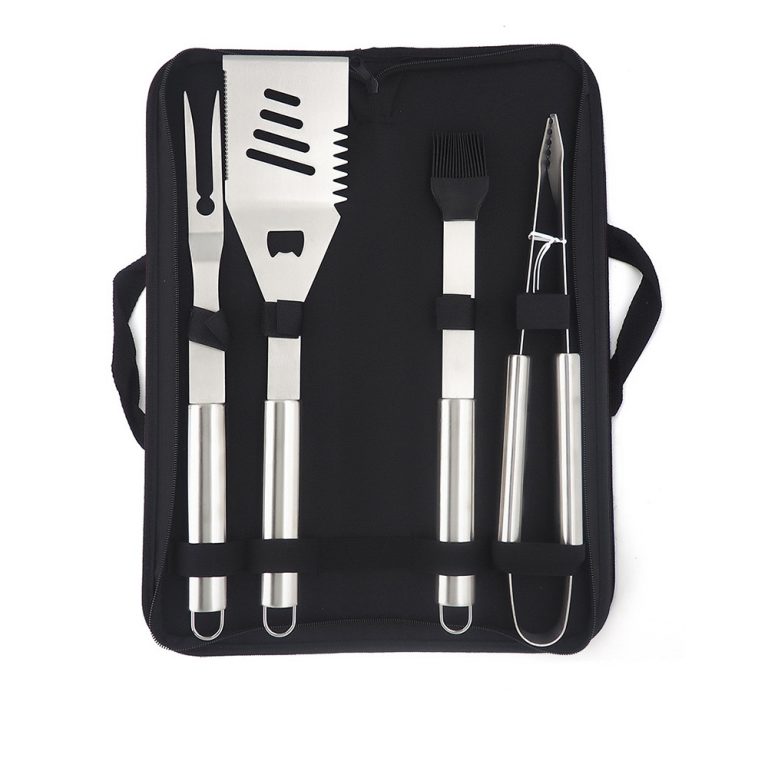
| Four-piece silicone basting brush set | 100% food-grade silicone + PP handle, 17 cm, −40 °C to 230 °C, BPA-free and phthalate-free, dishwasher safe |
Two details separate a good sprayer from a cheap one: the seal (a silicone gasket rather than a rubber washer, which hardens) and the nozzle geometry (a mist pump, not a piston, if you want an even film rather than a jet).
If you are buying for a shop or a brand
Both lines are made as stocked items at Nicebuy: MOQ 300 pieces per model, samples in 3–5 working days with the sample fee credited to the first production order, colour box and export carton as standard, and FDA or LFGB food-contact documentation available before production rather than after arrival. Colours, logo printing and packaging are customisable, and our own range covers glass mist pumps, 2-in-1 dispensers and silicone brush sets so a single order can fill a shelf rather than one product slot.
Frequently Asked Questions
Can I put thick oil in a sprayer?
Only up to a point. Thin oils — grapeseed, sunflower, light olive — mist properly. Cold, thick olive oil or anything with solids will clog the pump within a few uses. If you cook mainly with thick oil, use a brush or a spray-and-pour bottle instead.
Is a silicone brush or a bristle brush better on a grill?
Silicone. A silicone head rated to 230 °C does not scorch, does not shed into food and goes in the dishwasher. Keep bristle brushes for pastry and cold work.
Do I need both tools?
If you only oil grates, a sprayer is enough. As soon as you baste with sauce or marinade, add a brush — spraying a mixture with garlic or herbs damages the pump and gives a worse result. If you are weighing up wet marinades against injecting or brining, that decision comes first; the tool choice follows from it.
How do I stop a sprayer from clogging?
Rinse the nozzle with warm soapy water after each use, pump clean water through it occasionally, and never leave thick oil sitting in the bottle for weeks. A cleaning brush for the tube comes with the 200 ml mist pump for exactly this reason.
Bottom line
Spray for even coverage and small amounts of oil; brush for anything with body. If you are stocking or branding this category, the 200 ml mist pump sprayer, the 2-in-1 sprayer and dispenser and the four-piece silicone basting brush set cover the whole job between them. Keep both clean the way you keep your other BBQ tools clean, and neither will fail on you mid-season.