Buyers usually raise FDA and LFGB certification in the same breath, as if they were two names for one thing. They are not, and BPA-free is a third subject again. One is a US framework with a test method behind it, one is a European standard that turns up in retail contracts, and the third describes a formulation choice. Mixing them up leaves you with paperwork that does not survive a customs question.
Here is what each one actually covers on a collapsible basin, and what to ask your supplier for.
Key takeaways
- FDA is a US framework, not a certificate. What you receive is a test report against a specific method.
- LFGB is the standard German and other EU retailers name in purchase agreements.
- BPA-free is a material statement. It needs a supporting test if a retailer asks for proof.
- The report has to cover the exact material and the exact part in contact with food.
What FDA means in practice
Food-contact materials in the United States are covered by FDA regulations under Title 21. In the kitchenware trade the usual evidence is a test report from a third-party laboratory showing that migration from the sample stays inside the limits set for the material type.
Two things matter on the report. First, the material named on it has to be the material in your product. A report for polypropylene does not cover a TPR folding wall unless both are listed. Second, check the test conditions. A report tested with water at room temperature says little about a basin used for hot dishwater.
What LFGB means in practice
LFGB is the German food and feed code. Its section on food-contact materials is widely used as the reference for EU retail because it is stricter and more specific than the general framework. German buyers will usually ask for an LFGB report, and French, Dutch and Nordic buyers frequently accept it too.
LFGB testing looks at overall migration and, for plastics, at specific migration and sensory change. The sensory part is worth knowing about: it checks whether the material transfers taste or odour to food. A basin that passes migration limits but smells of plastic after a hot-water test will fail that section.
What BPA-free means in practice
Bisphenol A is a monomer used in polycarbonate and in some epoxy coatings. Polypropylene and TPR do not use it, so a BPA-free statement on a collapsible basin is a description of the formulation rather than an achievement.
That does not make it useless. Some retailers and marketplaces require the wording on the packaging, and a few require a test report showing the result is below the detection limit. If your channel asks for proof, ask your supplier for the specific test rather than the marketing phrase.
Which market asks for which
| Market | Usually requested | Notes |
| United States | FDA test report, declaration of compliance | Retailers may also ask for California Prop 65 wording |
| Germany | LFGB report | Frequently extended to the whole EU order |
| France | EU framework plus LFGB report | French retailers often accept LFGB documentation |
| Other EU | EU 10/2011 compliance, migration test | Check the plastic type listed |
| Australia | Supplier declaration, migration testing | Standards are set by FSANZ |
If you sell into more than one market, ask for the LFGB report plus the FDA report. Together they cover almost every retail request we see.
Documents to request from a supplier
- The full test report, not the first page. The scope, the material and the test conditions are on the inside pages.
- A declaration of compliance listing each food-contact material by name and grade.
- For EU orders, a statement against EU 10/2011 for the plastics used.
- A material safety data sheet for the raw polymer, if your retailer asks.
- Confirmation of which parts the report covers: body, folding wall, lid and plug.
Frequently Asked Questions
How long is a test report valid?
There is no fixed expiry date. Most retailers accept a report up to two years old. If the formulation, the supplier or the production site changes, a new test is expected.
Does every batch have to be tested?
No. Testing is done on the material and the construction. What changes per batch is process control, which is why in-house checks on weight, fold and plug fit matter alongside the lab report.
Is TPR food safe?
Food-grade TPR grades are used in kitchenware and are covered by the same migration testing as the rigid parts. What matters is the grade the factory buys, which is why the report has to name it.
Can I use the certificate logo on my packaging?
Usually not directly. The report belongs to the manufacturer and the test house. Retailers normally want the wording, not the logo, so check with your channel before printing.
Bottom line
Treat the three terms as different tools. FDA and LFGB are test frameworks, and what you need is a report that names your material, your part and your use conditions. BPA-free is a formulation statement that becomes credible the moment someone can show the test behind it.
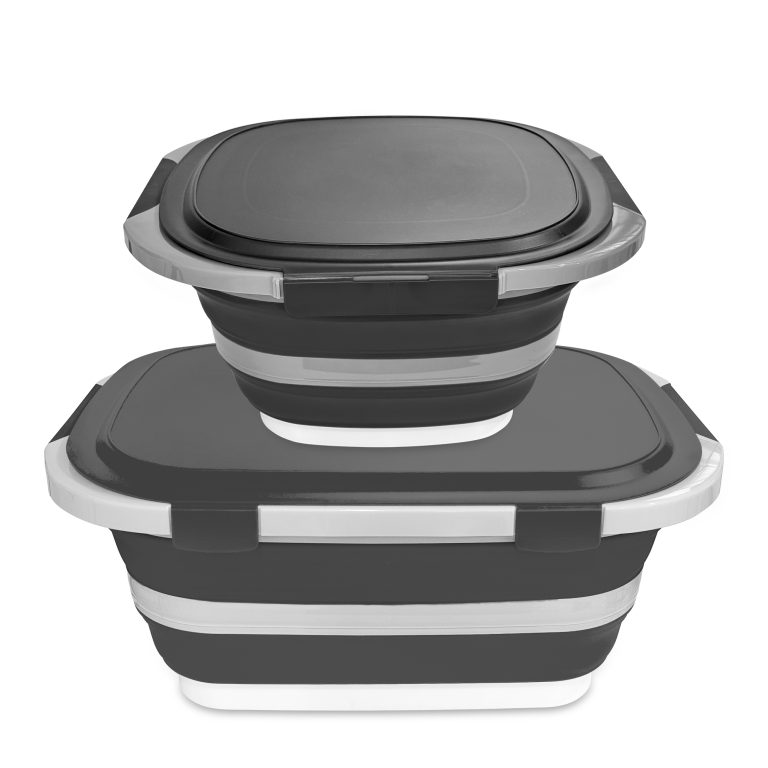
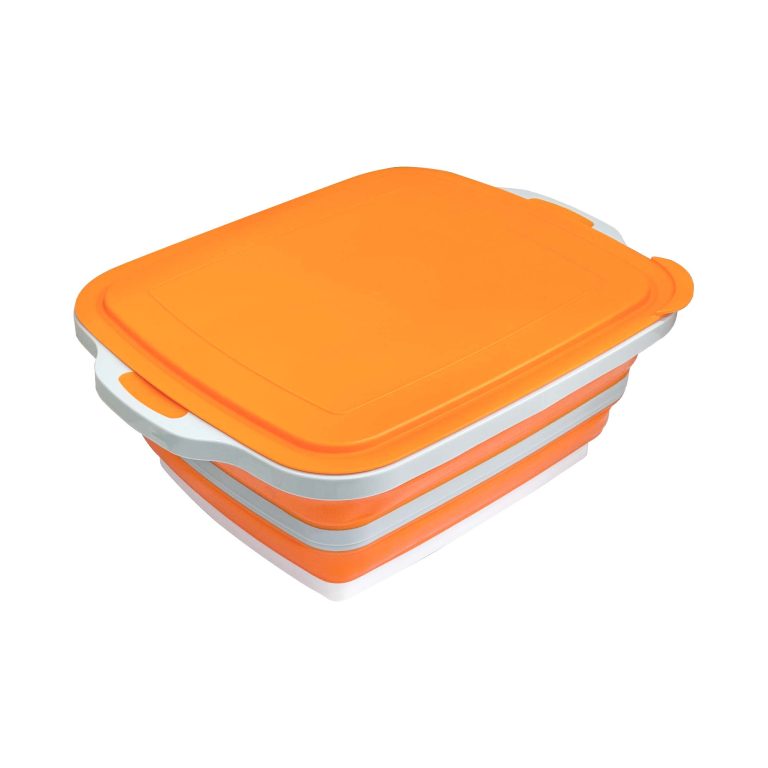
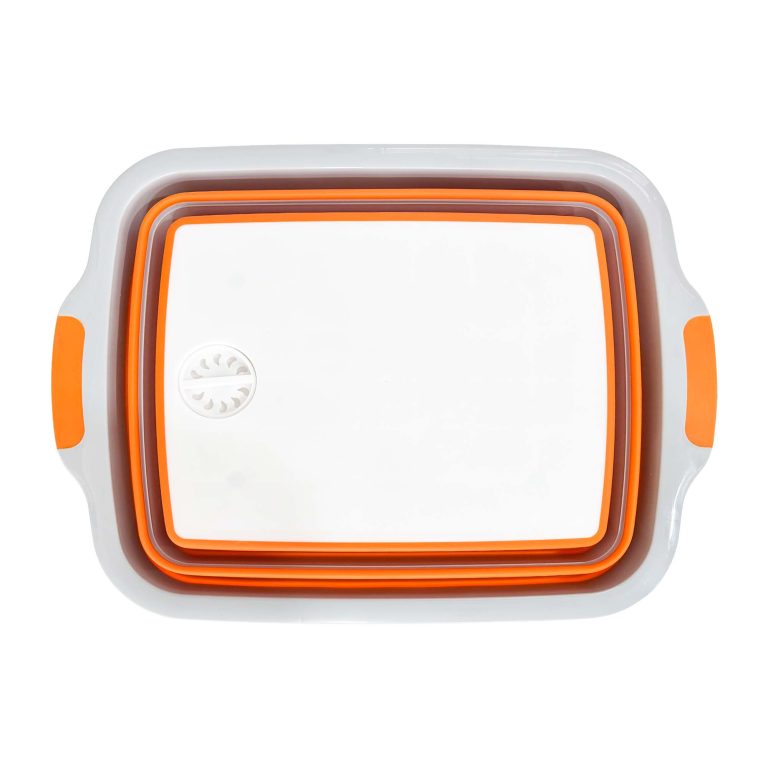
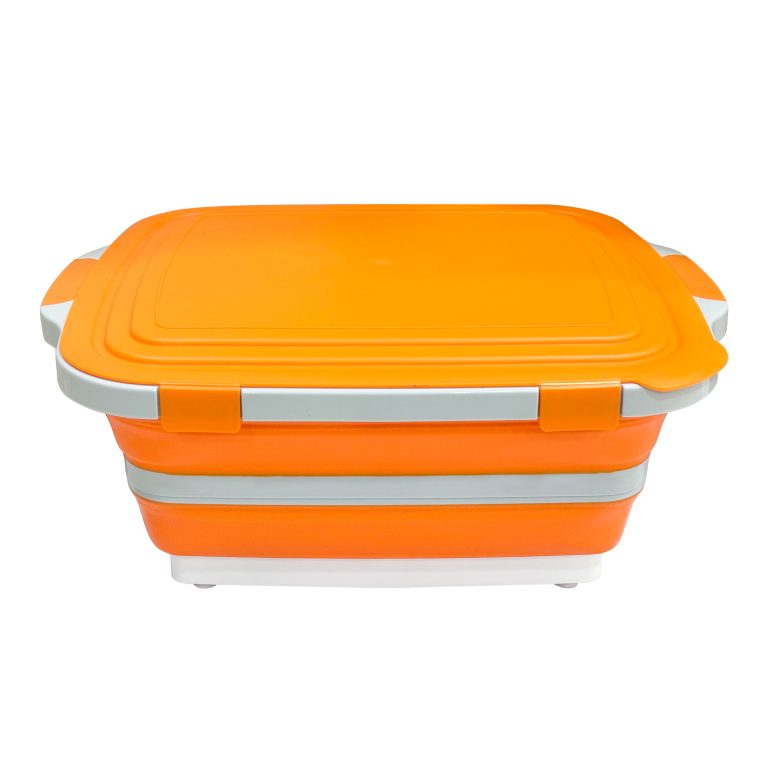
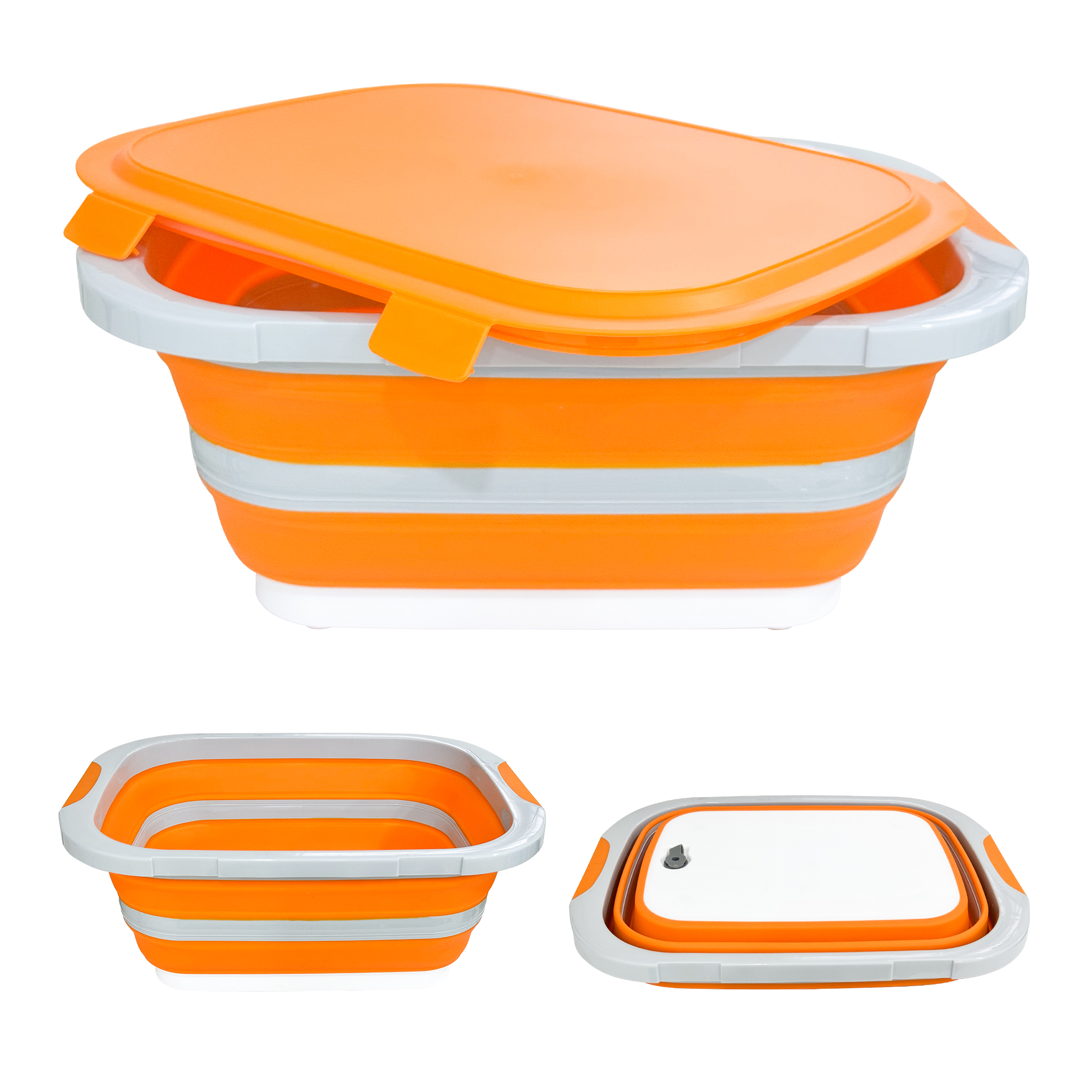
The basins we ship use food-grade PP for the body and food-grade TPR for the folding wall. A typical example is the 16L collapsible prep box basin, and the sealed-lid version is the 10L prep basin with sealed lid. Ask us for the report that matches your market.