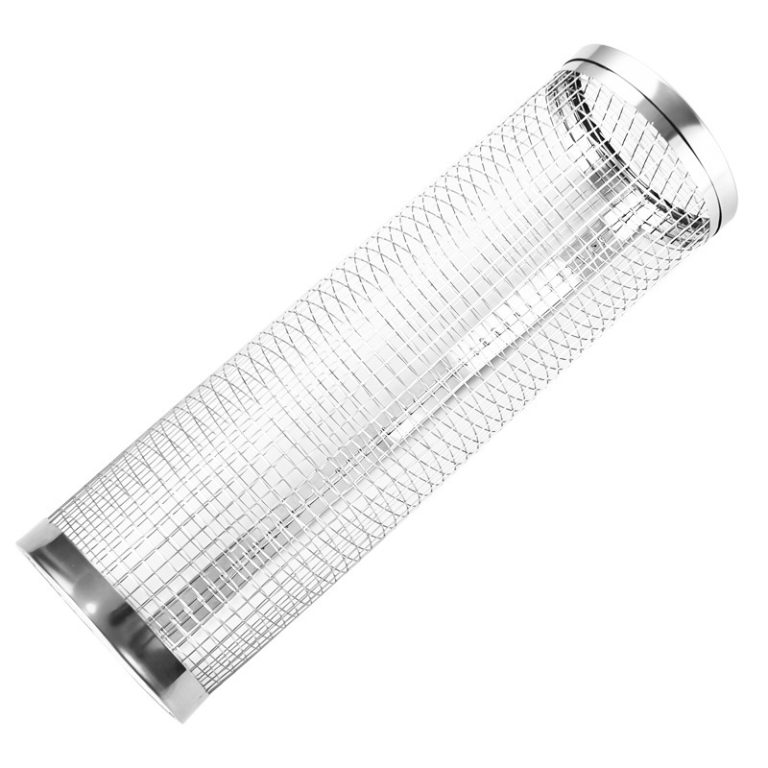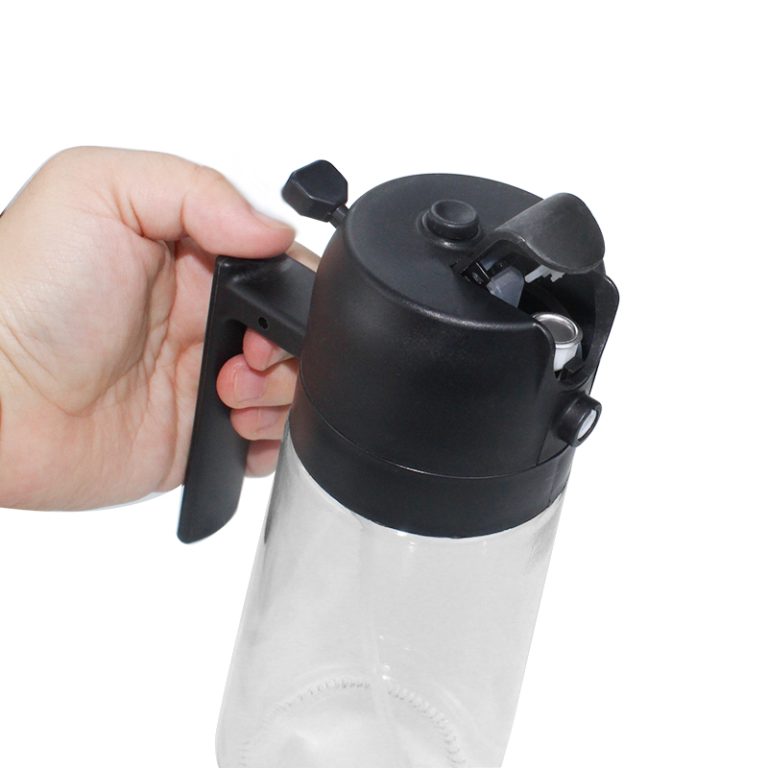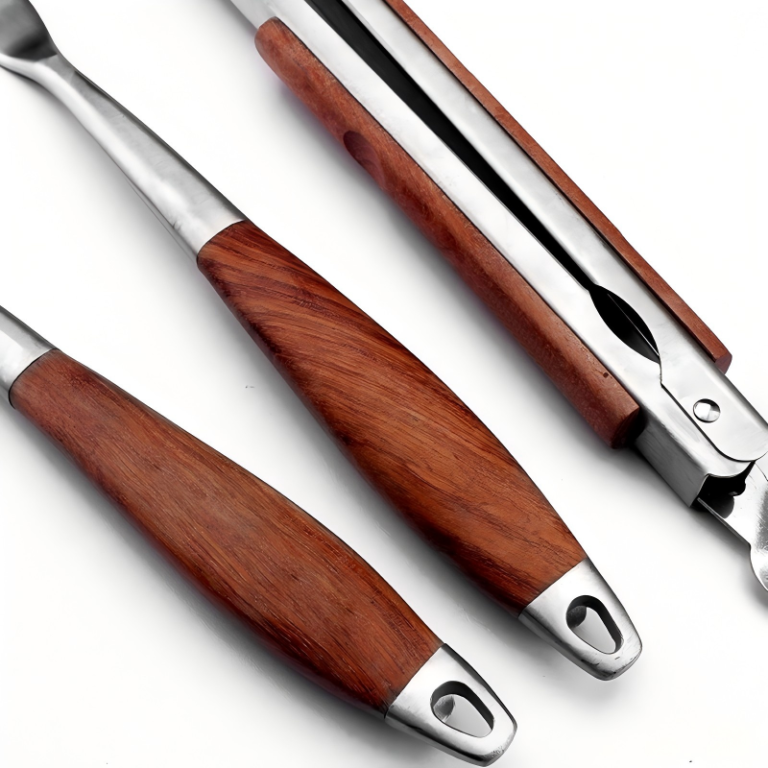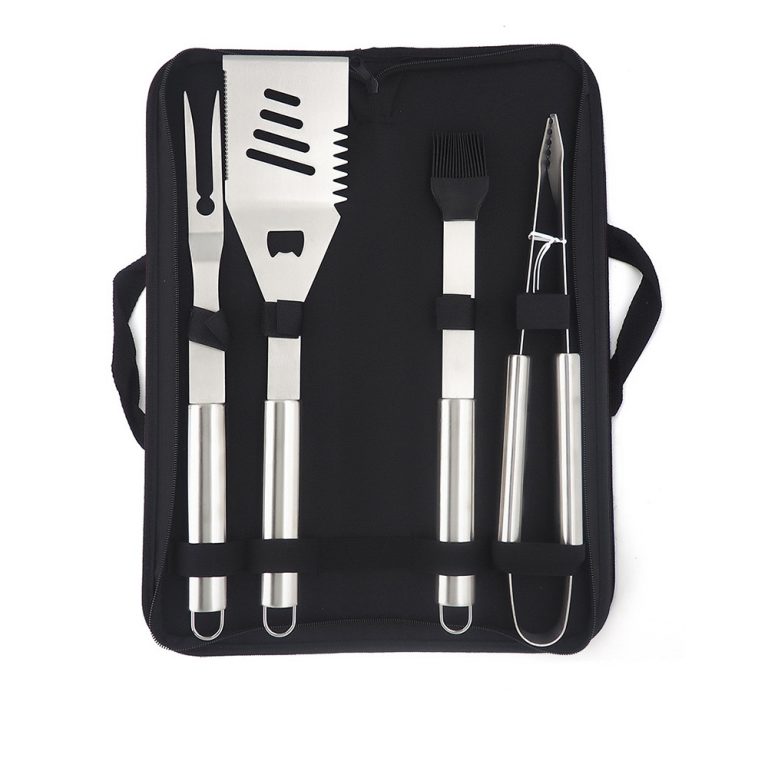
There are hundreds of silicone kitchenware manufacturers, and from a product photo they look identical. The differences appear in three places: the grade of material, the paperwork behind it, and who owns the tooling. Those three decide whether your second order goes smoothly.
Key takeaways
- "Silicone" and "TPR" are different materials with different costs. Ask which one is quoted.
- A test report has to name the material and the food-contact part, not just the product family.
- Who owns the mould decides how easy your reorders will be.
- Sample responsiveness tells you more about a factory than its catalogue.
Silicone, TPR or a combination
Food-grade silicone is a thermoset elastomer. It tolerates roughly -40 °C to 230 °C and keeps its flexibility in the cold, which is why it costs more. TPR is a thermoplastic elastomer that tolerates roughly -20 °C to 120 °C and bonds more easily to rigid plastic.
Many tools use both: a polypropylene core with a silicone or TPR skin. That is a good design, but it means the quotation has to specify which material is on which part. "Silicone handle" on a spec sheet is not enough to write a purchase order against.
The documents to ask for
- The full test report, not the cover page. The material, the test conditions and the parts covered are on the inside pages.
- A declaration of compliance naming each food-contact material and its grade.
- For the EU, a statement against EU 10/2011 for the plastics used.
- A raw material safety data sheet if your retailer requires one.
Reading a silicone kitchenware manufacturer report properly
| Check | Why it matters |
| Material named | A report on PP does not cover a TPR grip |
| Test conditions | Room-temperature water says little about hot dishwater |
| Parts listed | Body, folding wall, lid and plug are separate items |
| Report age | Most retailers accept up to two years |
Who owns the mould
This is the question most buyers forget until the second order. If the mould belongs to the factory, moving supplier means paying for new tooling. If it belongs to you, you can move. Either arrangement can work, but it should be written down before production starts, not discussed afterwards.
How fast does the factory answer
Response time is a useful proxy for how the whole order will go. A supplier who sends a stock sample photo the same day and a specification sheet within two days is organised. One who needs a week to confirm a colour usually has the same delay built into every stage.
A remote factory tour helps here. Ask for one continuous shot of the injection floor, the assembly line and the packing area. A factory that can do that in one take runs a tidy floor.
Frequently Asked Questions
How do I know a factory really makes silicone products?
Ask how many injection and compression machines they run and what tonnage. A factory answers in seconds. A trading office forwards the question.
Is a silicone kitchenware manufacturer different from a TPR one?
Often the same factory runs both. What matters is that the quotation states which material is used on which part, and that the test report covers that material.
What is a realistic MOQ?
For stock colours, 300 pcs per model is a common minimum. Custom colours and logos usually start at 500 pcs because they need a separate run.
Should I pay for a factory audit?
For a large first order it is worth it. For a smaller one, a live video walkthrough plus the documents above covers most of the risk.
Bottom line
Judge a silicone kitchenware manufacturer on what it can document. A named material grade, a test report that covers the right parts, clarity on the mould, and quick answers. Those four remove most of the risk from a first order.
We run injection and compression lines for both materials under one roof. Read how the plant is set up under Factory Strength, see the range on the BBQ utensils page, or send your specification and we will come back with a quote and a material list.
Before a first order goes out, the checklist for buying wholesale BBQ accessories covers landed cost, spec sheets and packaging. For the products themselves, the guide on cleaning and storing BBQ tools shows what buyers ask about once the goods arrive.